
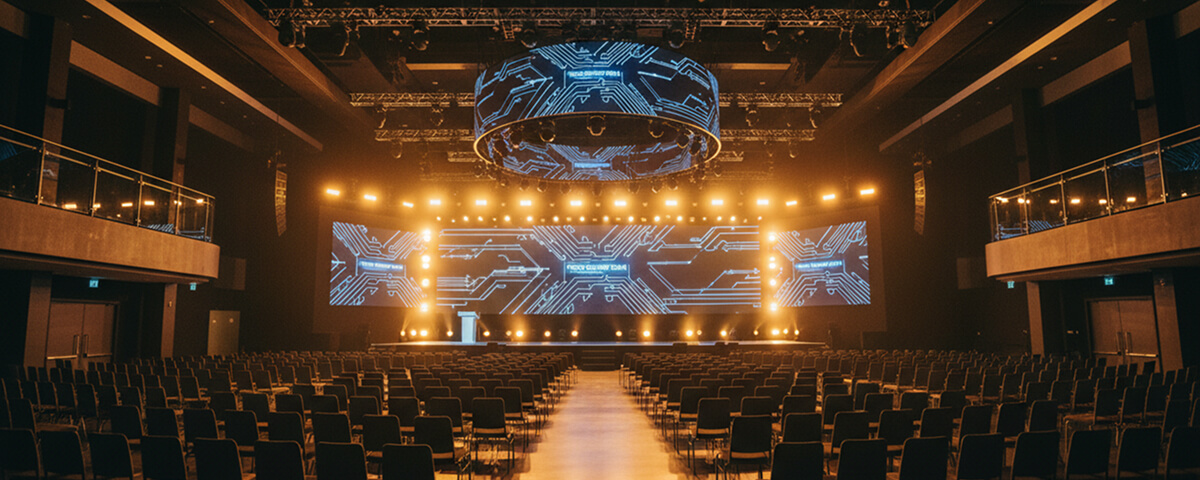
Every event organizer knows the pain: you have booked the venue, confirmed the speakers.
We have spent the last 12 months managing over five million in event ad spend. This guide compiles everything we have learned about filling ballrooms, summits, and expos with high-intent decision makers. No fluff, just live data, audited funnels, and real outcomes.
Gone are the days when a single LinkedIn campaign could fill a ballroom. Today attendees are spread across platforms, consuming content in fragmented bursts. Our data shows that the most successful events use at least four acquisition channels simultaneously.
The key is not just being present on multiple channels — it is orchestrating them so each channel reinforces the others. A prospect who sees your event on LinkedIn, gets retargeted on Instagram, and receives a personalized email is far more likely to register than someone who only encounters a single touchpoint.

When someone visits your event page but does not register, most organizers write them off. That is a mistake. Our retargeting sequences typically convert 15 to 22 percent of these warm prospects, often in the final 72 hours before early-bird pricing expires.
The key is sequencing: awareness ads lead to testimonial carousels, which lead to urgency-driven countdown creatives. Each touchpoint builds on the last, moving the prospect from consideration to commitment.
We recommend allocating at least 30 percent of your total ad budget to retargeting. It consistently delivers the lowest cost-per-registration of any channel, because you are reaching people who have already expressed interest.
Cost-per-registration is the only metric that matters. Not impressions, not clicks, not even landing page views. We have seen organizers celebrate a 0.5 percent CTR on LinkedIn while their cost-per-registration sits at 340 dollars.
We filled a 2,000-seat ballroom six weeks out. The funnel did the work, not the discount.Dana Whitfield, TechConnect
Meanwhile, a programmatic display campaign with a 0.08 percent CTR was delivering registrations at 45 dollars each. The numbers do not lie — look at the full funnel, not vanity metrics.
The organizers who fill every seat are the ones who invest in smart, multi-channel strategies and measure what actually matters. Start with the end goal — filled seats — and work backwards through your funnel to find the channels and tactics that get you there most efficiently.